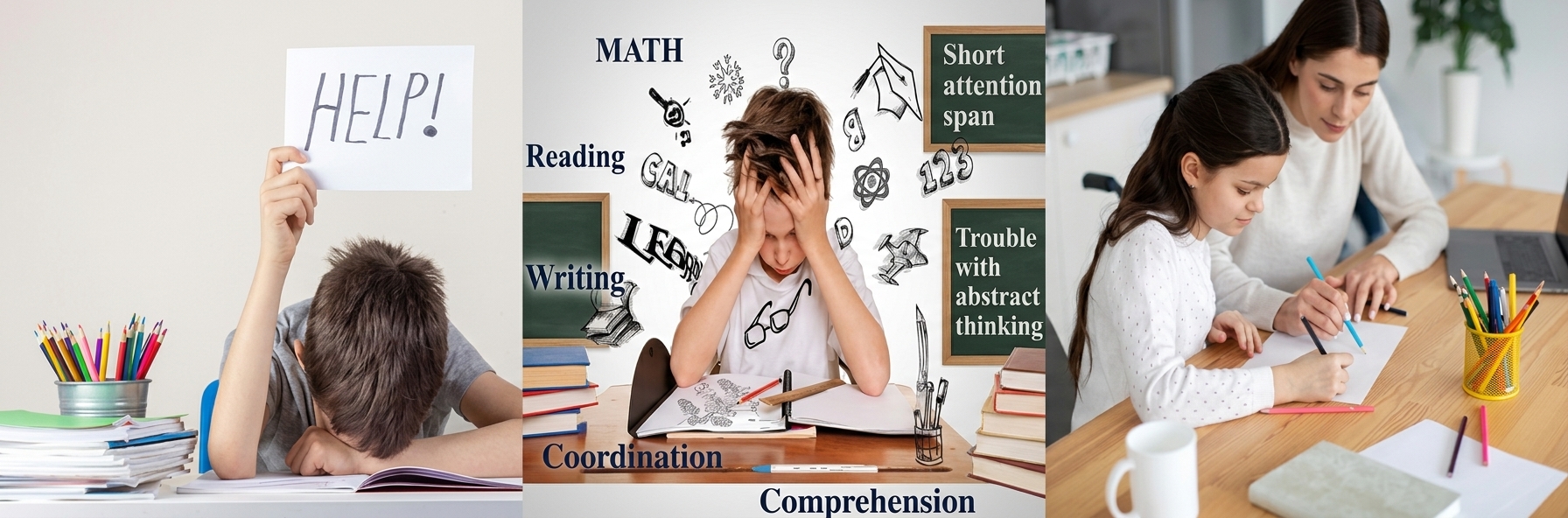
How to Help a Depressed Teenager in Pakistan
Attention to adolescent mental health inside Pakistani households demands empathy, clear communication, and timely medical intervention. Learning how to help a depressed teenager in Pakistan starts with recognizing behavioral changes, creating safe emotional spaces at home, and accessing confidential professional therapy.
Teen depression often masks itself as quiet isolation, a sudden drop in academic performance, or persistent irritability that adults misinterpret as disrespect. Overcoming cultural silence and community pressure empowers families to seek proper clinical care, ensuring young people receive the support they need to heal.
How to Help a Depressed Teenager in Pakistan
Family support forms the primary defense line when a young person experiences severe emotional distress. Clinical research shows that over 53% of high school adolescents in Pakistan experience symptoms of anxiety and depression. Early family involvement prevents long-term psychological harm and builds emotional resilience.
Recognizing Teen Depression Pakistan Warnings and Teen Anxiety Symptoms
Watch for distinct shifts in daily habits, sleep routines, and social interactions. Depressed teenagers often withdraw from family gatherings, lose interest in favorite hobbies, and experience constant fatigue. Teen anxiety symptoms frequently present as physical complaints, such as persistent headaches, stomach pain, rapid heartbeat before school, or sudden panic attacks. Recognizing these early warning signs helps parents take proactive steps before emotional distress worsens.
Social Pressures and Adolescent Mental Health Realities
Compounding societal expectations place immense psychological pressure on young minds. High-stakes board exams, intense peer comparison, and social media validation create constant mental exhaustion. In many communities, young people feel forced to hide their emotional struggles to avoid bringing dishonor or worry to their families. Acknowledging these external stressors allows parents to validate their child’s feelings rather than dismiss them as minor phase issues.
Social Group Roles in Supporting Teenagers
Every segment of society holds a direct responsibility in safeguarding youth mental well-being. True recovery occurs when homes, educational institutions, and local communities work together in harmony.
Parenting Depressed Teens with Open Dialogue
Reframe home environments from spaces of judgment to safe zones for open conversation. Parents who replace harsh criticism with active listening encourage teenagers to express deep emotional pain. Simple daily check-ins without lecture or unsolicited advice reassure young people that their home remains a secure refuge. Consistent emotional presence builds deep trust and opens pathways toward professional medical care.
Academic Stress Counseling in Schools and Colleges
Educational institutions must prioritize student mental health alongside academic achievements. School administrators and teachers interact with students daily, making them ideal allies to spot sudden behavioral changes. Establishing trained guidance counselors, reducing excessive exam pressure, and hosting student support groups create healthier academic environments. Schools that accommodate struggling students help preserve both emotional health and academic futures.
Professional Healthcare Pathways
Specialized clinical care offers structured treatment plans structured to adolescent psychological needs. Medical professionals provide objective diagnoses and evidence-based therapeutic interventions.
Finding a Qualified Youth Therapist Karachi or Depression Treatment Lahore
Connecting with certified mental health professionals across major urban centers provides structured cognitive care. Families seeking a youth therapist Karachi or specialized depression treatment Lahore access evidence-based modalities like Cognitive Behavioral Therapy (CBT). Professional therapists help teenagers process underlying trauma, manage negative thought loops, and develop healthy coping mechanisms in a safe, non-judgmental environment.
Consulting a Psychiatrist for Teenagers
Medical evaluation by a specialist determines if clinical medication is necessary alongside psychotherapy. A qualified psychiatrist for teenagers assesses neurochemical imbalances, severe mood swings, and persistent sleep disruptions. When therapy alone yields slow progress, carefully monitored medication restores brain chemical balance, enabling young patients to engage more effectively in psychological counseling.
Overcoming Barriers to Confidential Youth Therapy
Protecting patient privacy remains essential to encourage young people to seek professional help. Confidentiality fears often prevent teenagers from reaching out to doctors.
Dismantling Mental Health Stigma in Local Communities
Educating extended family and community members breaks generations of silence surrounding mental illness. Misconceptions often brand emotional struggles as spiritual weakness or lack of willpower. Normalizing psychological therapy as standard healthcare treats depression like any physical ailment, encouraging struggling youth to accept medical treatment without fear of social exclusion.
Psych Cares: Professional Mental Health Support for Teenagers
Psych Cares provides compassionate, professional, and confidential mental health services for adolescents and families across Pakistan. Our team of experienced clinical psychologists and psychiatrists offers evidence-based therapy personalized to unique cultural and developmental needs.
We treat teen depression, anxiety disorders, academic burnout, and family conflict through modern therapeutic frameworks. By prioritizing complete client privacy and non-judgmental care, Psych Cares empowers young people to overcome emotional challenges and build bright futures. Connect with us today to schedule a confidential consultation for your teenager.
FAQ
- What are the most common signs of teen depression in Pakistani households?
Common indicators include persistent sadness, social isolation, sudden drop in academic performance, irregular sleep patterns, loss of appetite, and uncharacteristic anger or irritability.
- How can parents distinguish between normal teenage moodiness and clinical depression?
Normal mood shifts resolve within a few days and rarely disrupt basic daily functions. Clinical depression persists for more than two weeks and severely affects school attendance, family relationships, and personal hygiene.
- Why is academic stress counseling important for Pakistani high school students?
Heavy academic workloads, board examination pressure, and intense university entrance competition trigger severe anxiety. Professional counseling offers stress management techniques, study strategies, and emotional support during high-pressure exam cycles.
- Is therapy confidential for teenagers seeking mental health care?
Yes. Professional ethics and medical guidelines mandate strict client confidentiality. Qualified therapists keep sessions private, sharing details with parents only if a teenager faces immediate physical danger or self-harm risks.
- What role do teachers play in supporting depressed students?
Teachers observe student behaviors daily and can identify early warning signs like a sudden drop in grades, frequent absences, or social withdrawal. Supportive educators offer academic accommodations and refer students to school counselors.
- When should a family consult a psychiatrist for teenagers instead of a counselor?
Consult a psychiatrist when a teenager exhibits severe depressive symptoms, self-harm thoughts, extreme panic attacks, or when standard talk therapy yields limited progress over several months.
- How does mental health stigma hinder teen depression recovery in local communities?
Social stigma frames emotional illness as personal failure or weak faith, causing families to hide symptoms. This delay prevents timely medical care and worsens adolescent psychological pain.
- What therapies work best for adolescent depression and anxiety?
Cognitive Behavioral Therapy (CBT), Interpersonal Therapy (IPT), and mindfulness-based stress reduction prove highly effective for young people. Psychiatrists may also combine therapy with monitored medication for severe cases.