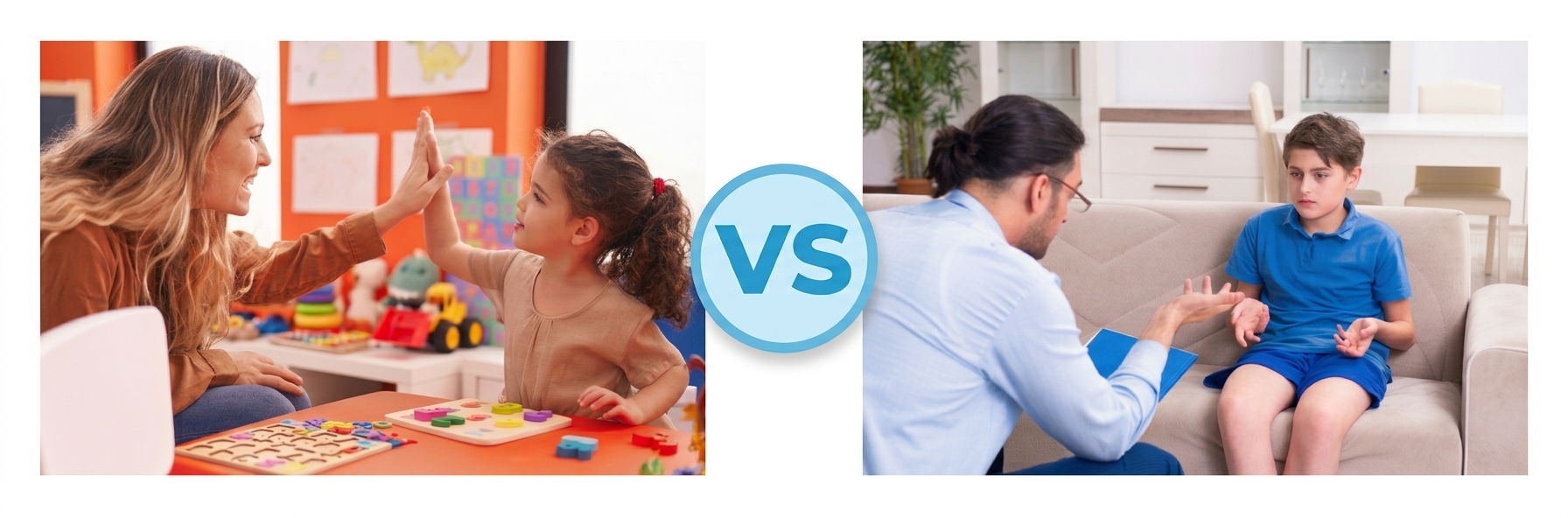
My Child Is Not Talking at Age 2: What to Do
Silence from a toddler can worry any parent, but speech timelines vary naturally throughout early childhood. Science shows many late talkers build strong vocabularies with gentle encouragement, interactive play, and early guidance. Understanding standard communication benchmarks helps families separate simple developmental pauses from genuine speech delays. This comforting guide explains medical screening options, scientific facts, and home play strategies to nurture your child’s voice with complete confidence.
Child Is Not Talking at Age 2: Next Steps Guide
Every parent looks forward to hearing their toddler speak new words daily. When a child is not talking at age 2, parents often feel anxious, yet scientific research shows that speech timelines vary widely across healthy childhood development.
Observing a quiet toddler does not automatically signal a lifelong obstacle. Many children simply develop receptive understanding before expressive speech, absorbing language quickly while taking extra time to form clear words. Gentle home routines, combined with guidance from healthcare professionals, provide young minds with every opportunity to find their voice naturally.
Child Is Not Talking at Age 2 Overview
Understanding early speech development helps parents replace worry with constructive daily encouragement. According to the American Academy of Pediatrics (AAP) and the American Speech-Language-Hearing Association (ASHA), language acquisition follows distinct biological stages, yet each child moves through these milestones at an individual pace.
Scientific Facts and 2 Year Old Speech Milestones
Pediatric health guidelines establish clear communication benchmarks for toddlers entering their second year. By 24 months, children typically use 50 or more individual words, combine two words together like “more milk,” and follow simple two-step instructions.
Research published in the Journal of Speech, Language, and Hearing Research indicates that approximately 10% to 15% of two-year-olds qualify as late talkers, yet more than half of these toddlers catch up to peers by age three without specialized medical intervention.
Differences Between Expressive Language Delay and Toddler Speech Delay
Distinguishing receptive comprehension from verbal output helps clarify your child’s specific developmental path. A toddler with an expressive language delay understands stories, points to requested objects, and follows complex instructions perfectly, yet struggles to produce spoken words.
Conversely, a broader toddler speech delay affects both understanding and spoken output. Recognizing this difference offers tremendous peace of mind because strong receptive skills indicate healthy cognitive processing.
Practical Home Strategies Supported by Pediatric Science
Daily interactions within a loving home environment serve as the most effective catalyst for speech growth. Studies from the National Institutes of Health (NIH) demonstrate that rich conversational environments directly accelerate brain development and vocabulary expansion.
Daily Language Modeling and Parent Expansion Techniques
Speak clearly about present actions and build upon every sound your child makes. Practice parallel talk by describing what your toddler sees, touches, and plays with throughout the day. When your child points to a ball and makes a basic sound, expand their thought by responding, “Yes, that is a big red ball.” This natural modeling technique teaches grammar and vocabulary without placing direct pressure on your child to repeat words on command.
Interactive Play Routines and Screen Time Management
Engage in face-to-face play routines that promote natural eye contact and turn-taking. Simple games like peek-a-boo, rolling a ball back and forth, or singing rhythmic nursery rhymes encourage back-and-forth communication loops. JAMA Pediatrics links excessive passive screen time for toddlers under two with delays in expressive speech. Replacing digital media with hands-on play, shared storybook reading, and interactive songs stimulates verbal curiosity.
Medical Screening Protocols for Early Support
Simple health screenings eliminate underlying physical factors that influence speech clarity. Identifying sensory or physiological factors early ensures your child receives proper comfort and needed guidance.
Importance of a Hearing Test for Toddlers
Schedule a comprehensive hearing assessment to confirm your child hears every sound frequency accurately. Even minor fluid buildup behind the eardrum from past colds can muffle speech sounds, making word imitation difficult for a toddler. A painless hearing test for toddlers measures eardrum movement and auditory response, giving parents certainty that sound pathways remain completely clear.
Scientific Assessment for Autism Speech Delay
Observe overall social communication patterns alongside spoken vocabulary levels. An assessment for autism speech delay looks beyond spoken words to examine gestures, eye contact, shared enjoyment, and response to name calls. Pediatric researchers emphasize that early identification allows families to introduce positive behavioral and social support routines when young brains show maximum adaptability.
Professional Consultations and Next Steps
Partnering with early childhood specialists offers structured clarity and personalized action plans. Professional guidance turns uncertainty into a confident, supportive journey for the whole family.
Role of a Pediatric Speech Therapist in Late Talker Evaluation
Consult a qualified specialist to assess your toddler’s unique communication profile. During a late talker evaluation, a pediatric speech therapist observes how your child plays, uses gestures, understands requests, and interacts with family members. This friendly, play-based observation pinpoints specific strengths, reassuring parents while outlining gentle ways to encourage verbal expression.
Positive Progress through Speech Therapy for Toddlers
Play-focused clinical sessions transform speech exercises into fun, engaging activities. Modern speech therapy for toddlers utilizes toys, bubbles, picture books, and songs to motivate natural communication. Therapists coach parents on techniques to recreate at home, turning everyday moments like mealtime or bath time into joyful learning opportunities.
Immediate Benefits of Early Intervention Speech Programs
Accessing local support programs early provides children with valuable developmental momentum. Science consistently proves that the human brain forms connections fastest during the first three years of life. Enrolling in early intervention speech services gives young children gentle tools to express their feelings, reducing daily frustration and laying a solid foundation for future pre-school learning.
Psych Cares: Gentle Development Support for Young Families
Psych Cares provides warm, professional, and comprehensive developmental support for toddlers and growing families. Our experienced team of pediatric speech specialists, child psychologists, and developmental experts offers evidence-based assessments structured to your child’s unique needs.
We prioritize family-centered care, equipping parents with practical home tools and play techniques to nurture language growth with complete peace of mind. Reach out to Psych Cares today to schedule a gentle developmental consultation for your child.
FAQs: Child Is Not Talking at Age 2
1. Is it normal for a child to not talk at age 2?
Variation in early childhood speech is common. Research shows that up to 15% of two-year-olds are late talkers who understand language well but take extra time to speak phrases.
2. How many words should a 2-year-old say according to science?
Pediatric benchmarks suggest most two-year-olds use around 50 or more individual words and begin combining two words together, such as “go outside” or “want juice.”
3. What is the difference between a late talker and a speech delay?
A late talker uses few spoken words but demonstrates normal understanding, good eye contact, and strong gesture use. A broader speech delay involves difficulties with both understanding language and expressing thoughts.
4. How can parents encourage a quiet toddler to talk at home?
Read books daily, narrate routine activities, sing songs, practice turn-taking games, and avoid placing pressure on your child to repeat words on demand.
5. Why is a hearing check recommended when a toddler is not talking?
Undetected ear fluid or mild hearing loss can muffle spoken words, making language hard to process and copy. A quick hearing test confirms sound pathways are clear.
6. Does screen time affect speech development in toddlers?
Studies show that excessive screen time for children under two can reduce direct human interaction, which is necessary for healthy speech acquisition.
7. When should parents consult a pediatric speech therapist?
Consider an evaluation if your two-year-old uses fewer than 20 words, does not imitate sounds, struggles to follow simple instructions, or rarely uses gestures to communicate.
8. Can speech therapy help a 2-year-old child?
Yes. Speech therapy for toddlers uses play-based games, songs, and interactive toys to help children express themselves naturally while coaching parents on home techniques.