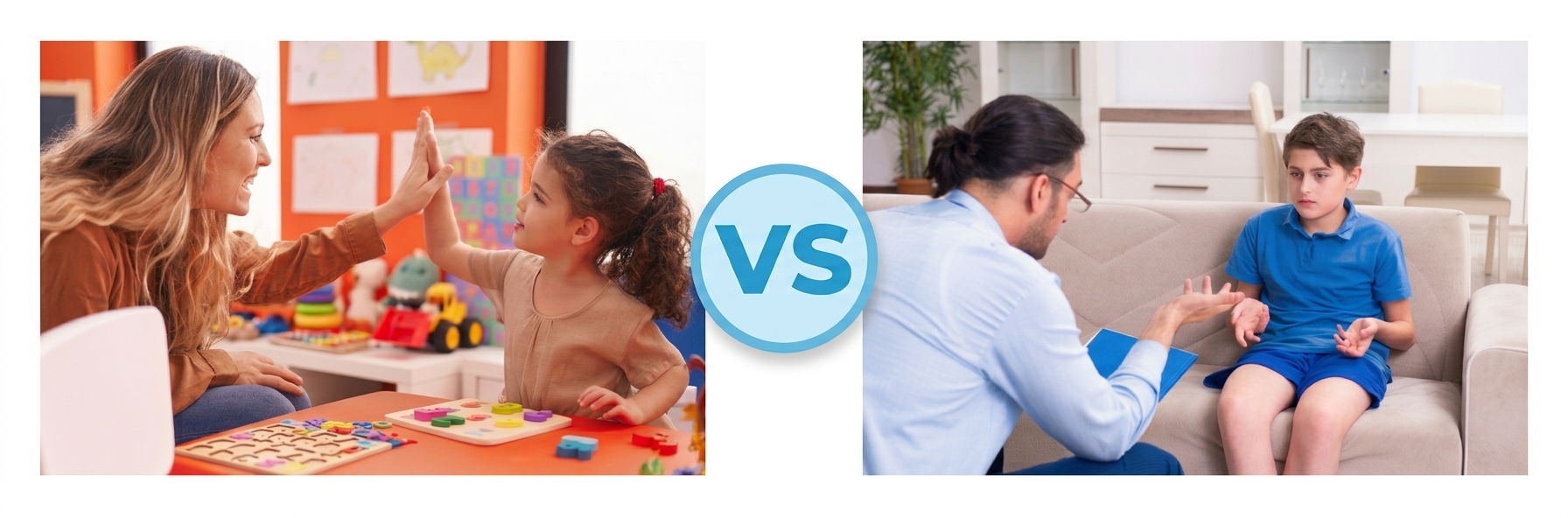
Children’s Emotional Development: Stages, Milestones, and How Parents Can Help
motional development is one of the most important aspects of a child’s overall growth. Just like physical health, a child’s emotional well-being shapes how they think, learn, make decisions, and build relationships with family, friends, and peers. Children who are emotionally healthy are more likely to grow into confident, resilient, and empathetic adults.
While many parents naturally focus on academics and skill development, the emotional needs of children are often overlooked. Recognizing and supporting a child’s feelings, teaching them how to express themselves, and guiding them through challenges are just as crucial as helping them learn numbers, letters, or sports skills.
What is Emotional Development?
Emotional development is the ongoing process through which children gradually learn to understand and manage their own feelings, as well as the feelings of those around them. It begins in early childhood and continues throughout their growth, forming the foundation for healthy relationships and personal well-being.
Through this process, children learn to recognize their own emotions, becoming aware of what they are feeling and why. This self-awareness allows them to identify emotions like happiness, sadness, anger, or fear and respond appropriately to different situations.
At the same time, they start to understand the emotions of others, developing empathy and the ability to see things from another person’s perspective. This skill is crucial for forming positive relationships, cooperating with peers, and navigating social situations.
Infancy (0–1 year)
During the first year of life, infants are beginning to experience the world primarily through their senses and emotions. They recognize familiar faces and voices, which helps them develop trust and security. Babies communicate their feelings through crying, cooing, smiling, and other non-verbal cues. This is their first way of expressing happiness, discomfort, or needs.
Infants also seek comfort from parents or caregivers, learning early lessons about attachment and emotional safety. Responding consistently to their needs helps build a strong foundation of trust, which is essential for future emotional growth.
Toddlerhood (1–3 years)
Toddlers experience emotions intensely, which can sometimes result in tantrums or separation anxiety. At this stage, children are beginning to use simple words to express feelings, like “happy,” “sad,” or “angry,” although they may still struggle to communicate complex emotions.
Toddlers also start showing early signs of empathy, such as comforting a sibling who is crying or reacting when someone else is upset. This is the period where parents can start guiding them gently toward recognizing and managing their emotions in constructive ways.
Preschool Age (3–5 years)
Preschoolers begin to understand social rules and start developing important social and emotional skills. They learn to share and take turns, although conflicts may still occur.
Children in this stage also begin to manage frustration with support, such as learning to wait for a turn or calming down after a disappointment. They start to understand basic emotions in others, noticing when friends are happy or upset. Role-playing and imaginative play become important tools for expressing emotions and experimenting with problem-solving in a safe environment.
School Age (6–9 years)
By early school age, children develop stronger friendships and become more socially aware. They learn problem-solving skills in conflicts and begin to understand the consequences of their actions on others.
They also start showing pride in achievements whether it’s completing a school project or mastering a new skill and begin regulating their emotions with guidance from parents and teachers. This stage is crucial for building confidence, self-esteem, and empathy.
Pre-Adolescence (10–12 years)
Pre-adolescents experience more complex emotions such as jealousy, guilt, or worry. They develop a clearer sense of self and begin forming personal values and preferences.
Children at this stage can talk about complex emotions and reflect on their feelings in group settings or with trusted adults. While they become more independent, they still benefit from parental guidance and emotional support to navigate challenges, peer pressure, and the transition toward adolescence.
Common Challenges Parents Notice
Parents may observe certain emotional difficulties in children, including:
- Frequent or uncontrollable tantrums beyond the toddler years
- Difficulty making or maintaining friendships
- Withdrawal or refusal to express feelings
- Extreme dependence or clinginess
- Struggles with school performance that may be linked to emotional challenges
How Parents Can Help Their Child’s Emotional Growth
1. Listen Without Judgment
Encourage children to share their feelings freely, even if their emotions seem small or exaggerated. Being heard validates their experiences and fosters trust.
2.Name the Emotions
Help children put words to their feelings. For example: “I see you’re feeling frustrated because your toy broke”. This teaches them to recognize and communicate their emotions.
3. Model Healthy Reactions
Children learn by observing. Demonstrating calm responses to stress or disappointment teaches them appropriate ways to handle their own emotions.
4. Create a Safe and Nurturing Environment
A loving, supportive home environment allows children to explore feelings without fear. Feeling safe and valued builds emotional security and self-confidence.
5. Encourage Play and Creativity
Art, storytelling, imaginative play, and other creative activities allow children to express emotions in safe and constructive ways. Play is a natural form of emotional learning.
6.Seek Professional Guidance When Needed
Early intervention can make a significant difference. At Psych Cares, our child specialists provide therapy, assessments, and guidance to help children develop strong emotional foundations.
Conclusion
Emotional development is a lifelong journey, and every child progresses at their own pace. Parents play a critical role in nurturing emotional growth by offering patience, guidance, and unconditional support.
While challenges may arise, early attention and professional guidance can help children overcome difficulties and thrive emotionally. At Psych Cares, we are committed to supporting families in building strong, resilient, and emotionally healthy children. By understanding their needs, guiding their growth, and providing expert support, we can help children develop the skills they need to succeed in life and relationships.
Together, we can ensure that children grow up feeling understood, capable, and confident in navigating their emotions.
Frequently Asked Questions
- Why is emotional development important in children?
Emotional development shapes how children understand their own feelings, manage stress, and interact with others. It influences their confidence, relationships, and overall well-being throughout life. - What are common signs of delayed emotional development?
Signs may include frequent tantrums, difficulty expressing feelings, trouble making friends, withdrawal, extreme clinginess, or struggles with school performance. Early recognition helps parents intervene effectively. - How can parents support their child’s emotional growth?
- Parents can listen without judgment, help children name their emotions, model healthy reactions, create a safe environment, encourage play and creativity, and seek professional guidance when needed.
- At what age should parents start focusing on emotional development?
Emotional development begins from infancy, as children first learn to recognize feelings and seek comfort. Support should continue through toddlerhood, preschool, school-age, and pre-adolescence to build strong emotional foundations. - Can emotional development affect a child’s academic performance?
Yes. Children who can manage their emotions, cope with stress, and communicate effectively often perform better academically. Emotional skills like focus, patience, and resilience contribute to learning success. - How can Psych Cares help with children’s emotional development?
Psych Cares provides child counseling, therapy, parental guidance, and assessments tailored to each child’s needs. Our specialists help children build emotional skills and provide support to families navigating challenges. - What role does play and creativity have in emotional development?
Play, art, and storytelling allow children to express emotions safely and develop problem-solving skills, empathy, and self-awareness. These activities are natural ways for children to practice emotional regulation.
When should parents seek professional help?
If a child shows persistent emotional challenges such as extreme tantrums, withdrawal, difficulty forming relationships, or ongoing anxiety professional guidance from a child psychologist or counselor can provide early support and interventions.