Teen Depression Treatment Pakistan: Adolescent Therapy | Psych Cares
Sudden isolation, falling grades, and explosive mood swings in teenagers often signal far more than typical adolescent rebellion. According to global health reports, roughly 1 in 7 young people aged 10 to 19 experience mental health conditions, with depression standing as a leading cause of illness and disability among adolescents worldwide.
Cultural stigma across Pakistan frequently delays clinical help, leaving young minds struggling in silence. Early, specialized therapy provides teenagers with practical coping strategies, emotional regulation tools, and a safe space to process complex pressures. Psych Cares delivers confidential, evidence-based adolescent mental healthcare across Pakistan. Discover how professional guidance helps young people regain joy, focus, and resilience.
Teen Depression Treatment Pakistan
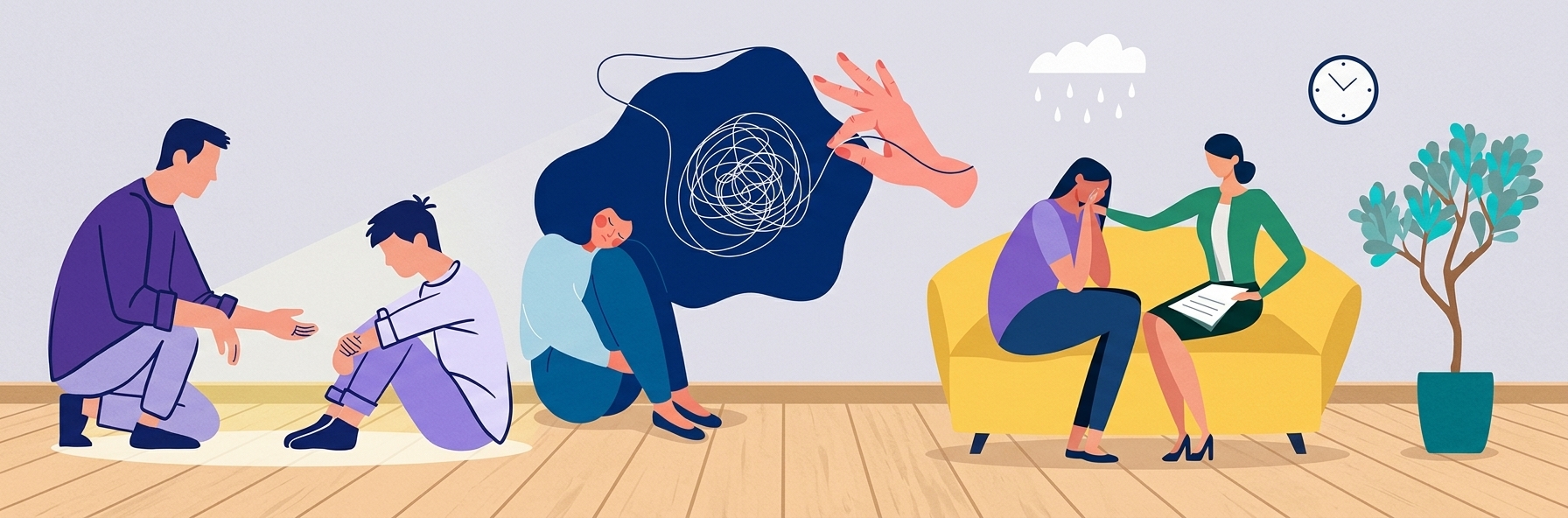
Clinical teen depression treatment Pakistan provides structured psychological care, cognitive tools, and compassionate support that help adolescents break free from severe emotional isolation. For instance, picture a seventeen-year-old in Karachi or Lahore locking their bedroom door right after school, staring silently at the ceiling while dinner sits untouched downstairs.
Recent public health studies in Pakistan reveal that over 53% of high school students experience significant symptoms of anxiety and depression. Despite these alarming figures, cultural stigma and a lack of open dialogue keep over 80% of struggling adolescents from receiving timely psychological support.
Unmasking the Silent Epidemic of Teen Depression Pakistan
Think of adolescent mental distress like a hidden fracture inside a bone. A teenager might smile during family dinners, yet experience intense internal exhaustion that drains their motivation every single day.
Differentiating Normal Moodiness From Clinical Adolescent Depression
Clinical research confirms that normal teenage moodiness passes within hours or days, whereas clinical depression persists for weeks, destroying a teenager’s ability to function at home or school. Early clinical evaluation helps parents identify true psychological distress before emotional crises escalate.
Academic Pressure, Social Media, and Cultural Stigma
Consider the immense pressure placed on young minds preparing for board examinations alongside constant social media comparisons. Local psychological surveys highlight that intense exam anxiety combined with strict parental expectations accounts for nearly 60% of stress-related mental health dropouts among Pakistani youth. Dismissing these severe pressure points as mere attention-seeking behavior forces young people to suffer alone.
Evidence-Based Pathways in Adolescent Therapy Pakistan
Specialized psychological care equips young people with practical mental strategies to process overwhelming emotions safely.
Restructuring Negative Thought Loops Through Cognitive Counseling
Imagine a teenager whose mind constantly whispers that they are a complete failure after making a single mistake on an assignment. Cognitive behavioral methods teach young clients how to catch, challenge, and replace these distorted automatic thoughts. Clinical trial data indicates that regular cognitive sessions reduce adolescent depressive symptoms by up to 65%, restoring personal confidence and emotional stability.
Building Family Support Systems via Child Adolescent Therapy
Picture a home environment where open conversations replace constant criticism and misunderstandings. Specialized child and adolescent therapy involves parents directly, teaching families how to create safe emotional spaces at home. Guiding parents on empathetic listening techniques creates a strong safety net that accelerates a teenager’s clinical recovery.
Helpful Options for Teen Mental Healthcare Across Pakistan
Finding expert, confidential psychological help across major urban centers gives families a direct path toward emotional healing.
Preference for Specialized Centers and Clinical Outpatient Services
Professional outpatient clinics offer tailored therapy schedules that fit around high school routines. Selecting a dedicated practice connects your family with experienced clinical psychologists who specialize exclusively in adolescent development, mood regulation, and youth trauma care.
A Quick Heads-Up on Privacy and Confidentiality for Young Patients
Here is a vital heads-up for parents: teenagers rarely speak openly in therapy if they fear every word gets reported directly to their family. Professional ethics mandate that adolescent counseling remains confidential between the therapist and the teenager, except in cases involving safety risks. Respecting this private therapeutic space encourages honest breakthroughs and speeds up healing.
Empowering Families With Adolescent Counselling Pakistan Tools
Therapy gains expand rapidly when daily home environments reinforce positive psychological coping mechanisms.
Home Routines That Foster Open Communication and Safety
Fifteen minutes of relaxed, non-judgmental daily conversation transforms parent-child relationships. Therapists encourage parents to establish predictable evening routines, reduce late-night screen time, and replace academic lectures with genuine inquiries about a teenager’s emotional well-being. Consistent home support helps teenagers feel secure enough to share their internal struggles.
Collaborative School Accommodations for Restoring Focus
Working directly with school counselors allows struggling students to manage academic workloads while recovering from depression. Practical school accommodations include temporary exam extensions, flexible assignment deadlines, and access to quiet study spaces during emotional overstimulation. These simple structural adjustments keep students academically engaged without causing nervous system meltdowns.
Give Your Teenager the Compassionate Care They Deserve
Watching your child withdraw into darkness is heartbreaking, but recovery is entirely possible. At Psych Cares, our clinical team delivers specialized, confidential teen depression treatment Pakistan families can trust. We combine evidence-based adolescent therapy, cognitive counseling, and family support strategies to help your child regain confidence and emotional strength. Help your teenager find their smile again by booking a consultation with Psych Cares today.
FAQs: Teen Depression Treatment Pakistan
1. What are the main signs of teen depression in Pakistan?
Signs include continuous sadness, social withdrawal from family, sudden grade drops, changes in sleep or appetite, frequent anger outbursts, and loss of interest in hobbies.
2. How does adolescent therapy help a depressed teenager?
Adolescent therapy provides a safe space to process complex emotions, identify negative thought loops, build healthy coping mechanisms, and restore self-esteem.
3. Will therapy sessions remain confidential for my teenager?
Yes, therapists maintain strict patient confidentiality to build trust with the teenager, though parents get immediate notifications if safety concerns arise.
4. What causes the high rate of teen depression in Pakistan?
Major triggers include intense academic exam pressure, family conflicts, social media comparison, economic instability, and cultural stigma surrounding mental health conversations.
5. How long does teen depression treatment usually take?
Most adolescents show noticeable emotional stability and improved coping skills within 12 to 16 weeks of consistent weekly counseling sessions.
6. Can parents attend adolescent counselling sessions?
Yes, family integration sessions allow therapists to guide parents on active listening, home safety routines, and effective emotional support techniques.
7. How does cognitive therapy help with adolescent depression?
Cognitive therapy helps teenagers recognize distorted negative beliefs about themselves, replacing self-critical thoughts with realistic, empowering perspectives.
8. What should parents avoid saying to a depressed teenager?
Parents should avoid dismissing feelings with phrases like “you have no real stress” or “you are grown up now ” and instead validate emotional struggles with quiet, non-judgmental support.