Psychological Counselling and Therapy: What It Is and How It Helps
Life presents emotional and mental challenges that can sometimes feel overwhelming. In these moments, knowing about psychological counselling and therapy: what it is and how it helps, can make all the difference.
These approaches are designed to support people not just with diagnosed conditions, but also with everyday stresses, emotional turmoil, and periods of life that feel difficult to navigate.
This article explains what counselling and therapy involve, why they can be effective, the differences between types of treatment, and how they help long-term emotional wellbeing.
Understanding What Psychological Counselling Really Is
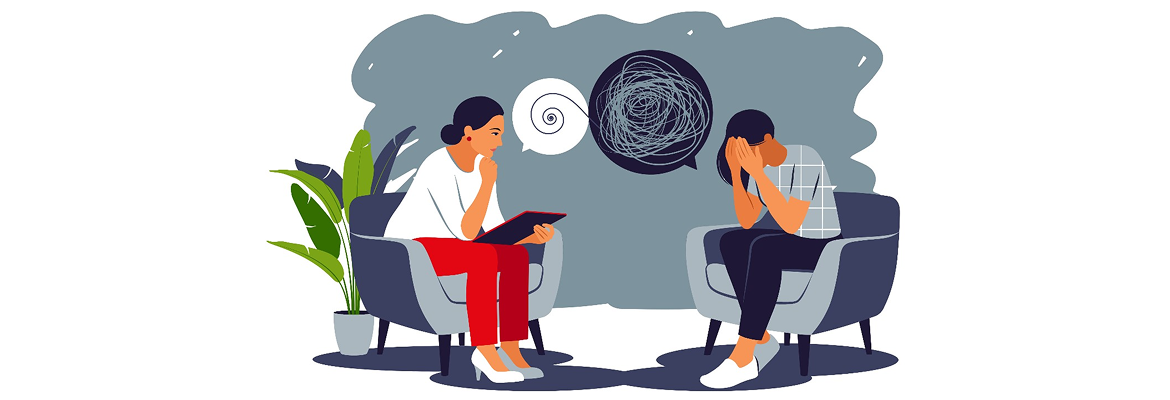
What is psychological counselling? At its core, it is a process where a trained mental health professional listens, understands, and guides a person through thoughts, emotions, and life challenges. Counselling provides a structured space to talk openly without judgment.
In a broader clinical context, psychological counselling often falls under the umbrella of psychotherapy or talk therapy, meaning it uses conversation as the primary tool for healing and growth.
Through these conversations, individuals learn to understand patterns, identify emotional triggers, and build healthier coping strategies for life’s difficulties.
How Therapy Helps Mental Health: Real Benefits Explained
People often ask how therapy helps mental health because they want to know what tangible changes to expect. Decades of research and clinical experience show multiple benefits:
- Emotional clarity: Therapy helps people understand what causes distress and how thoughts and feelings influence behaviour.
- Coping skills: It teaches practical tools to handle stress, conflict, and emotional imbalance.
- Behavior change: A therapist helps identify unhelpful responses and replace them with healthier patterns.
- Life challenges: Therapy supports adaptation to major changes, loss, or difficult transitions.
- Improved relationships: Talking through communication struggles often strengthens connections with others.
- Daily functioning: Individuals may feel better equipped to manage daily responsibilities and roles.
In fact, research suggests that many people experience significant improvement with psychotherapy, and for certain conditions, the outcomes can be comparable to or even better than medication alone.
The Many Forms – Types of Therapy Sessions Available
There is no one-size-fits-all model in therapy. Different people benefit from different approaches depending on their needs and preferences. Some common types of therapy sessions include:
- Individual therapy: One-on-one sessions focused entirely on personal challenges.
- Family therapy: Aims to improve interaction and understanding among family members.
- Group therapy: Several people meet together with a facilitator to discuss shared concerns or experiences.
- Couples therapy: Supports communication and relational patterns between partners.
Furthermore, there are multiple therapeutic approaches, such as cognitive-behavioral, psychodynamic, humanistic, and supportive therapy. Each has its own method, but they share a core goal: helping individuals move toward healthier emotional functioning.
Benefits of Counselling You Should Know
Understanding the benefits of counseling can ease uncertainty about beginning this process.
- Greater self-awareness: Through guided discussion, you start noticing patterns in thoughts and reactions that may have been hidden or confusing.
- Empowerment and control: Instead of feeling passive toward challenges, counselling supports active skill-building to navigate them.
- Safe emotional space: A therapist provides a setting where feelings can be expressed without fear of judgment or misinterpretation.
- Better emotional regulation: Over time, you learn to identify triggers and respond with tools rather than instincts alone.
These benefits don’t come instantly. They emerge through trust, consistent engagement, and personalized support. But countless individuals find that the journey leads to better self-management and emotional stability.
Talk Therapy for Emotional Support: More Than Just Conversation
The term’ talk therapy’ sometimes leads people to underestimate its effectiveness. But the value is not just in speaking; it’s in being heard, understood, and guided by someone trained to notice emotional patterns that may be invisible to you.
Through talk therapy for emotional support, individuals practice expressing thoughts and feelings in ways that promote understanding rather than suppression. This safe expression helps reduce internal tension, clarify emotional confusion, and build resilience for future challenges.
When to Seek Therapy. Signs It May Help
Knowing when to seek therapy can save you months of struggle. Here are common indicators:
- Persistent sadness, anxiety, or emotional swings
- Difficulty managing daily responsibilities
- Trouble sleeping or eating normally
- Feeling stuck despite efforts to improve
- Frequent arguments or withdrawal from relationships
- Loss of interest in activities that used to feel meaningful
Seeking support isn’t a sign of weakness; it’s a way to care for yourself the same way you would for physical health challenges.
Differences Between Counselling, Therapy, and Medical Treatment
Many people are unsure about the difference between counselling, therapy, and medical treatment.
- Counselling typically refers to guidance and support for emotional and situational issues. It often focuses on understanding feelings and behaviours and developing coping strategies.
- Therapy or psychotherapy involves deeper psychological work with a trained mental health professional and may explore long-term patterns and emotional history.
- Medical treatment (like medication) is prescribed by a psychiatrist or physician and focuses on biological aspects of mental health conditions, such as chemical imbalances.
Sometimes counselling, therapy, and medication are used together, and this integrated approach can be especially effective for complex or persistent mental health challenges.
What Mental Health Counselling Support Looks Like
Mental health counselling support isn’t limited to scheduled sessions. It includes:
- Emotional safety through a non-judgmental environment
- Ongoing reflective dialogue
- Personalized coping skills
- Regular check-ins and progress evaluation
- Guidance when emotional setbacks occur
This structured support helps individuals build durable confidence in managing emotional triggers and expectations.
How Psych Cares Supports You
At Psych Cares, we focus on approaching emotional wellbeing with warmth, clarity, and respect. Our services include:
- Individual counselling and therapy plans tailored to your experience
- Safe spaces for emotional conversations
- Support in exploring personal goals, stressors, and struggles
- Tools for coping with life challenges, relationship stress, and identity pressures
Psych Cares is here to listen. Reach out for a talk and discover your strength through compassionate support.
The Path Toward Emotional Wellbeing
Psychological counselling and therapy are not about fixing you. They are about supporting you, showing you how to navigate feelings and thoughts with skill and care. Whether you are facing emotional strain, life transitions, or recurring stress, this compassionate process can become a partner in your healing journey.
When you understand what counselling and therapy are and how they help mental health, they stop being intimidating procedures. They become practical, human tools, ones that help you live more fully, with presence, resilience, and emotional clarity.
FAQs
- What is psychological counselling?
It is a professional support process focused on helping people understand, express, and navigate their thoughts and emotions. - How does talk therapy help emotional support?
By providing a safe, structured space to explore emotions and learn coping techniques, improving mental and emotional regulation. - What are common types of therapy sessions?
Individual, group, couples, and family sessions structured around different needs and challenges. - How therapy helps mental health?
It increases self-awareness, coping skills, emotional regulation, and overall life functioning. - When should I seek counseling or therapy?
When emotional distress interferes with daily life, relationships, or wellbeing. - What is the difference between counselling and therapy?
Counselling typically addresses current issues and coping; therapy looks deeper into patterns and psychological understanding. - Can therapy be combined with medication?
Yes, many people benefit from a combination of therapy and medical treatment when dealing with complex mental health conditions. - How long does therapy take?
The duration varies based on individual needs, goals, and progress. - Is therapy only for diagnosed conditions?
No, therapy helps with everyday life struggles as well as diagnosed mental health conditions. - What is therapeutic alliance?
It refers to the trust and collaboration between you and your therapist, which is crucial for effective progress in counselling.